
Post-film care
After the screening
A quiet place for the audience to land after watching Does Sound Heal. Care notes, gentle listening, and a clear path for people who want to support episode 2.
Some people leave the film feeling calm or reflective. Some feel curious. Some notice emotion, tiredness, memories, or a stronger sense of what their body has been carrying. Every response deserves room.

For the next 24 to 48 hours: keep things simple. Drink water. Rest if you can. Spend a little time outside. Notice your breath. Give yourself a quieter evening if your body is asking for one.
This page sits beside medical and mental health care. If the film has stirred something tender, please reach for a trusted person, therapist, GP, mental health professional, or local crisis service.
Let the body settle
Give yourself space before moving into a busy room, long drive, or heavy conversation. A few minutes of quiet can help the nervous system come back into the present.
Notice without forcing
You do not need to make meaning from every response. A simple note such as calm, tired, open, sad, or curious may be enough for today.
Choose softer sound
If your body feels sensitive after the screening, stay with gentle sound, lower volume, and fewer inputs for the rest of the day.
At Home Practice
Continue listening gently
If you would like to keep exploring sound after the film, begin with 10 minutes in the morning, before bed, or during a quiet pause in the day.
Choose one piece of music, stay with it at a comfortable volume, and let the body tell you what feels useful.
- Find a comfortable place to sit or lie down.
- Turn phone notifications off.
- Listen at a comfortable volume.
- Pause for a moment before standing.
- Write down 1 or 2 words about how you feel.
Tenille Bentley Music
Choose a listening pathway
These pieces can be used gently after the film, as a short daily practice, or as a way to keep supporting the artist who created the music behind this work.
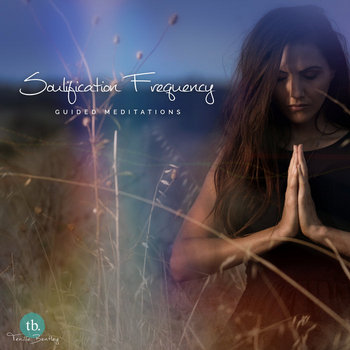
Guided Frequency Meditations
Start here for a simple daily practice. These guided tracks give the mind somewhere soft to rest while the body settles.
Grief
A piece to sit with memory, love, and the tenderness that can rise after loss. Listen softly and give yourself room afterwards.
Easy Listening
For gentle 432 Hz listening while resting, writing, walking slowly, or letting the evening become quieter.

8x8 Instrumental Journey
An instrumental listening path for quieter moments, especially when words feel like too much input.
Full Orchestra Experience
Watch En Coda in full
If you have time and privacy, this can be used as a longer at-home listening session. Keep the volume comfortable and pause whenever you need to.
Support the Making of Episode Two
Help us take the next question into medical and scientific settings
We are looking for people in the United States working seriously with sound, music, frequency, therapy, neuroscience, medical technology, or related research.
For viewers who want to help the next episode get made through small donations, early preview access, care-pack rewards, or supporter credits where appropriate.
For clinics, researchers, hospitals, universities, veteran groups, practitioners, and teams using sound or music in a serious health setting.
For organisations that may fund part of the US filming phase and receive a professionally filmed mini documentary for their own use.
We are especially interested in Parkinson's disease, dementia care, palliative care, veteran recovery, stress physiology, and sound-based medical devices.
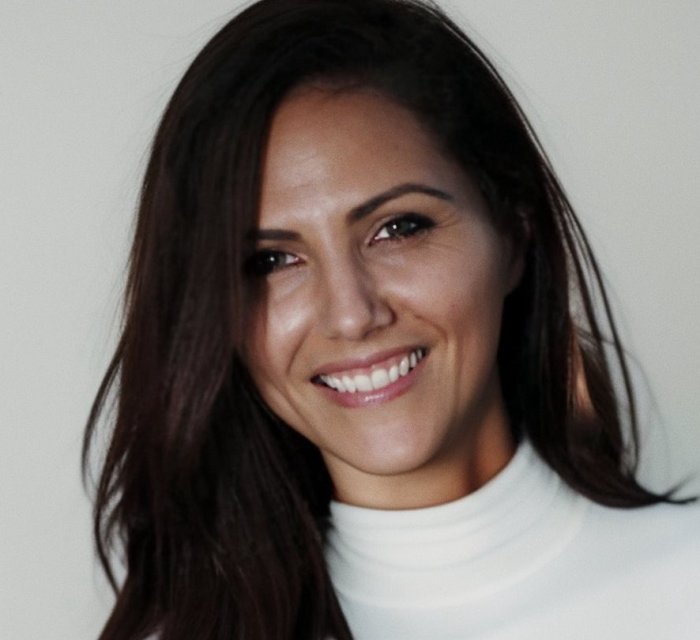
The artist behind the music
Tenille Bentley
Tenille Bentley is an internationally awarded business leader, speaker, author, educator, frequency musician, and co-creator of Does Sound Heal. Her work sits across emotional intelligence, neuroscience-informed wellbeing, therapeutic sound, education, and leadership.
She is the founder of ELMA Education, En Coda, and Tunician. Across her wider body of work she has built a 7 figure technology company, served as a non-executive director across multimillion dollar organisations, and led a 10-year foundation project supporting families impacted by domestic violence that reached more than 40,000 children across 5 countries.
The question underneath her work is simple: what happens when sound, the nervous system, and lived human experience are treated with care.
Coming soon: daily frequency exposure therapy through Tunician. Register your interest to be notified when the next stage opens.